Projects

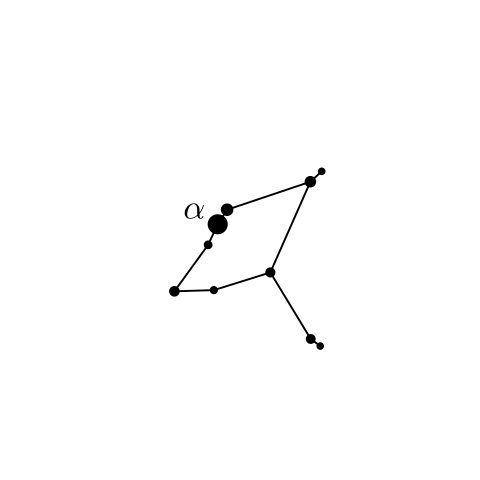
Illustration of the Aquila constellation, representing the Aquillm project

How can large language models encompass more situated, embodied, and tacit ways of knowing?

This collaborative project with Bernie Boscoe and Chandler Campbell from SOU explores how science labs can make use of a rag llm to help make their work more durable, actionable, shareable, and discoverable.

What kinds of knowledge and sensory modalities are currently incorporated into large language models, and what are excluded? Aquillm is a place-based AI "archive" that aims to find out. Of particular interest is how sonic data from the field or from the lab helps us make sense of our research world.
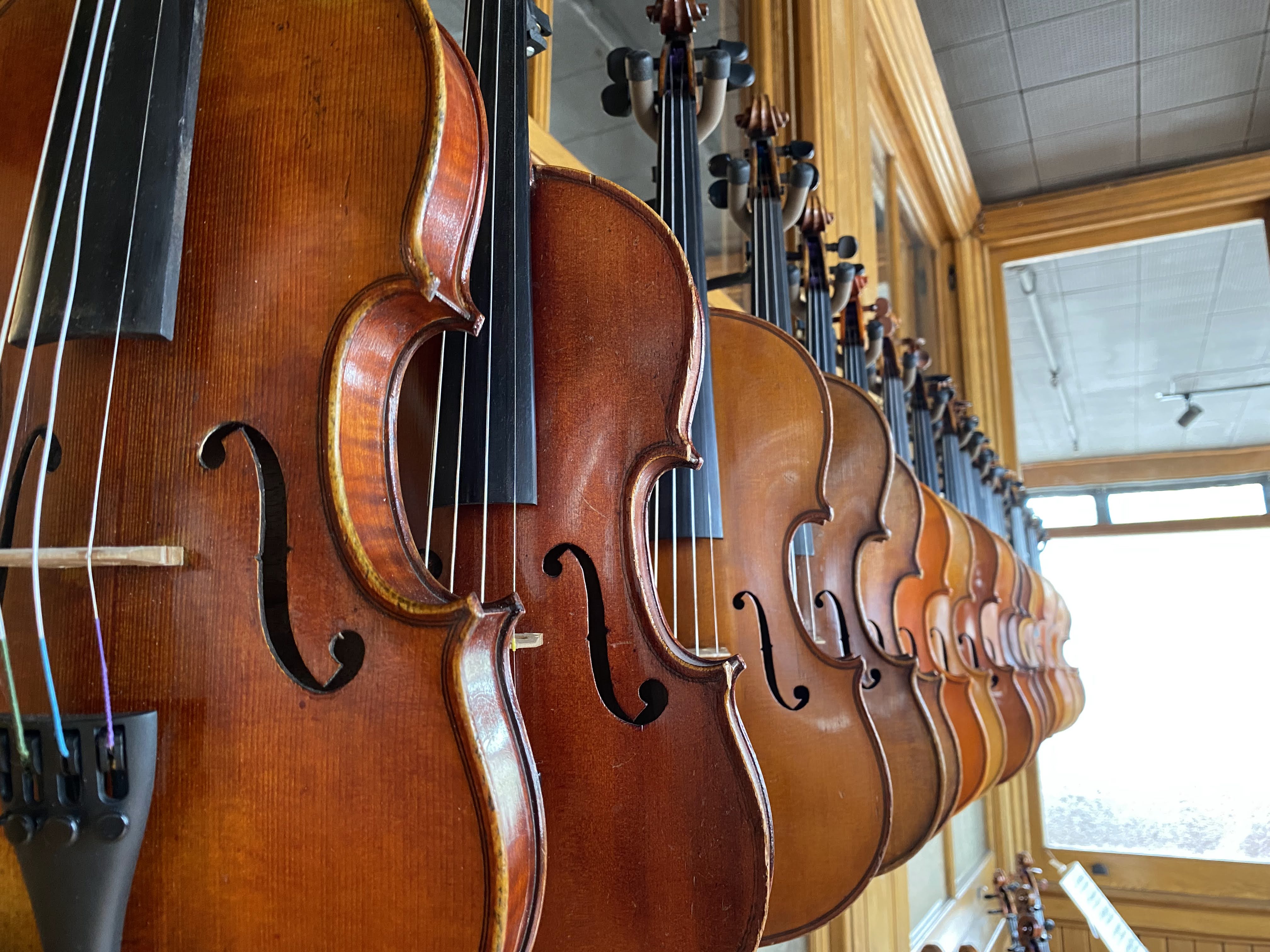
Close-up image of a violin, showing the craftsmanship and detail

How has the violin world been made durable?

And, how does it react and respond to new computational processes and sensing technologies?

This project examines the violin as a boundary object that traverses artistic and scientific domains, exploring how traditional craft knowledge intersects with digital measurement and modeling tools to create new sonic knowledge about the violin. I investigate how the materiality of instruments, embodied practices of musicians, and computational analysis co-constitute a shared sonic world. Ongoing project.

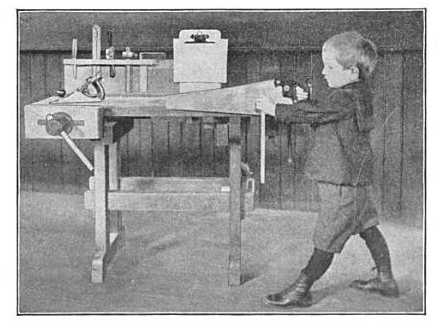
Historical image of Scandinavian Slöyd craft education

What can craft movements teach us about human-centered computing?

A historical analysis of craft traditions reveals three enduring principles that can inform more responsive technological design:

sensitivity to materials and ecological contexts; integration of cognitive, emotional, and physical dimensions of making; and embodied, collaborative learning environments.

Read Paper (opens PDF in new window)

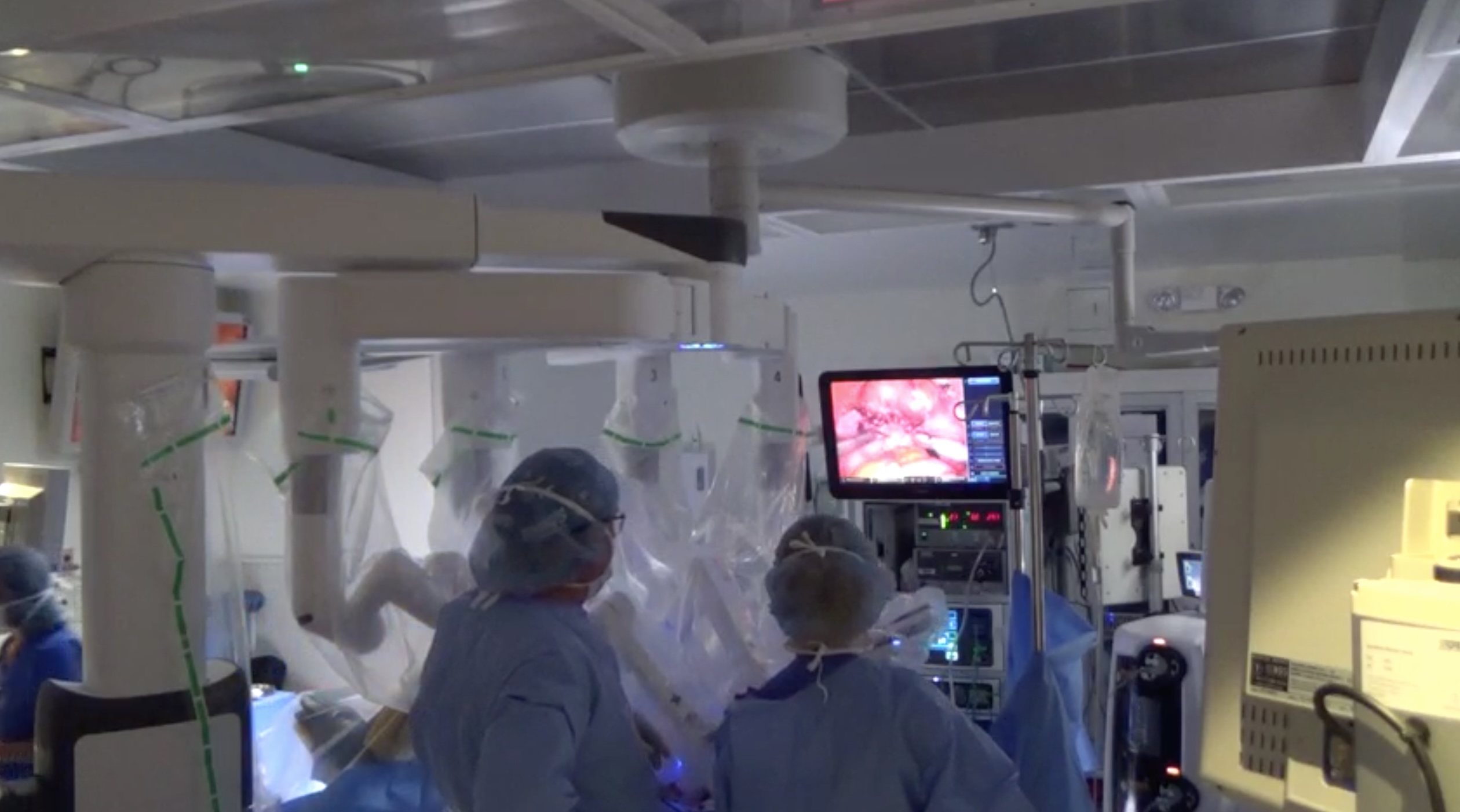
Da Vinci surgical robot in an operating room setting

How do surgical teams adapt to robot-mediated sensing?

I examine how robotic mediation transforms the sensory environment of surgery and necessitates new collaborative practices.

I show how surgical teams develop sophisticated compensatory techniques and sensory articulations to overcome the limitations of technologically mediated sensing. These adaptations create a distributed, more-than-human sensorium that extends beyond individual bodies to encompass the entire surgical team and technological system.

Read Paper (opens PDF in new window)

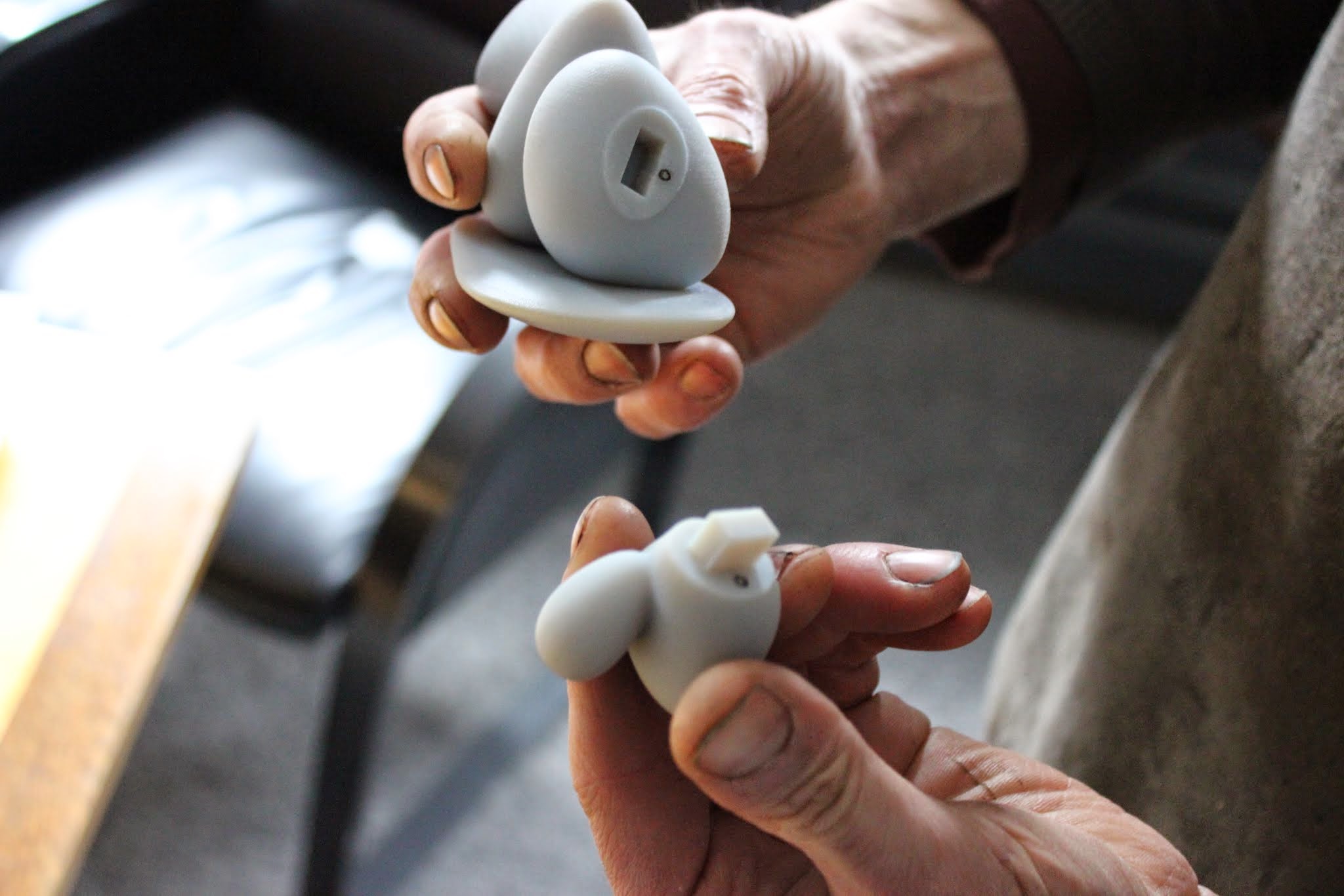
Fine art furniture workshop showing digital and traditional tools

How do digital tools transform craft and design practices in fine art furniture making?

At Wendell Castle studios I investigate the complex integration of digital fabrication technologies into established craft practice.

I show how this hybrid environment creates new forms of creative expression, reshapes material relationships, and transforms collaborative workflows. Rather than diminishing craft knowledge, I found that new digital tools become entangled with embodied expertise, creating distinctive socio-technical arrangements where digital and physical processes mutually inform each other.

Read Paper (opens PDF in new window)

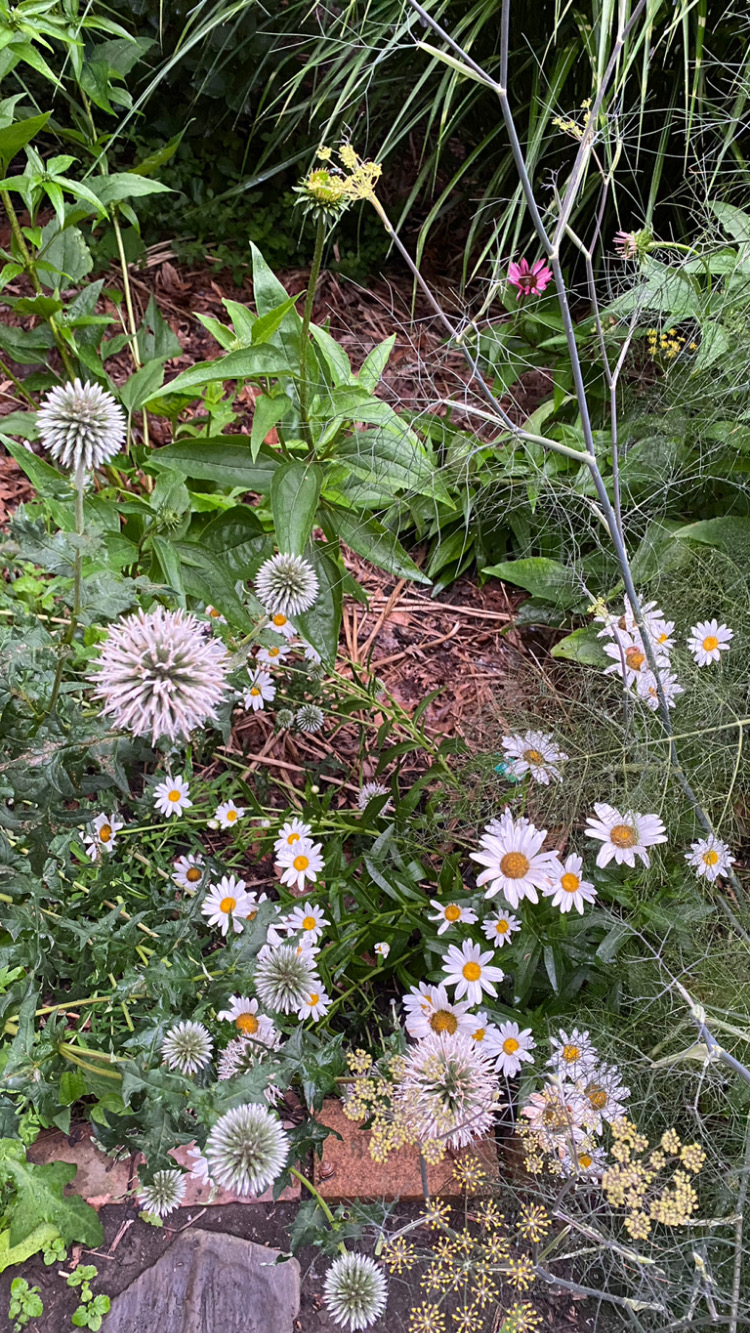
Urban garden showing permaculture principles and plant diversity

How can urban permaculture inspire stories about plant-people relations?

This passion project explores the transformation of a small urban backyard into an experimental permaculture system that acts as a place to develop new ways of sensing with plants.

The garden is a research site, philosophical and aesthetic space, and material investigation into plant-people relations. This collaborative project with Lisette Lorenz and Martin Abbott unfolded as a community 'zine, conference talk, and book chapter exploring the creative ways we might understand and narrate the multispecies world.

Read Zine (opens in new window)